Aquatic vegetation serves a critical role in healthy lakes. Aquatic plants absorb nutrients, limit algae growth, stabilize shorelines to prevent erosion, and create habitat for fish and wildlife.
Native and Unique Species
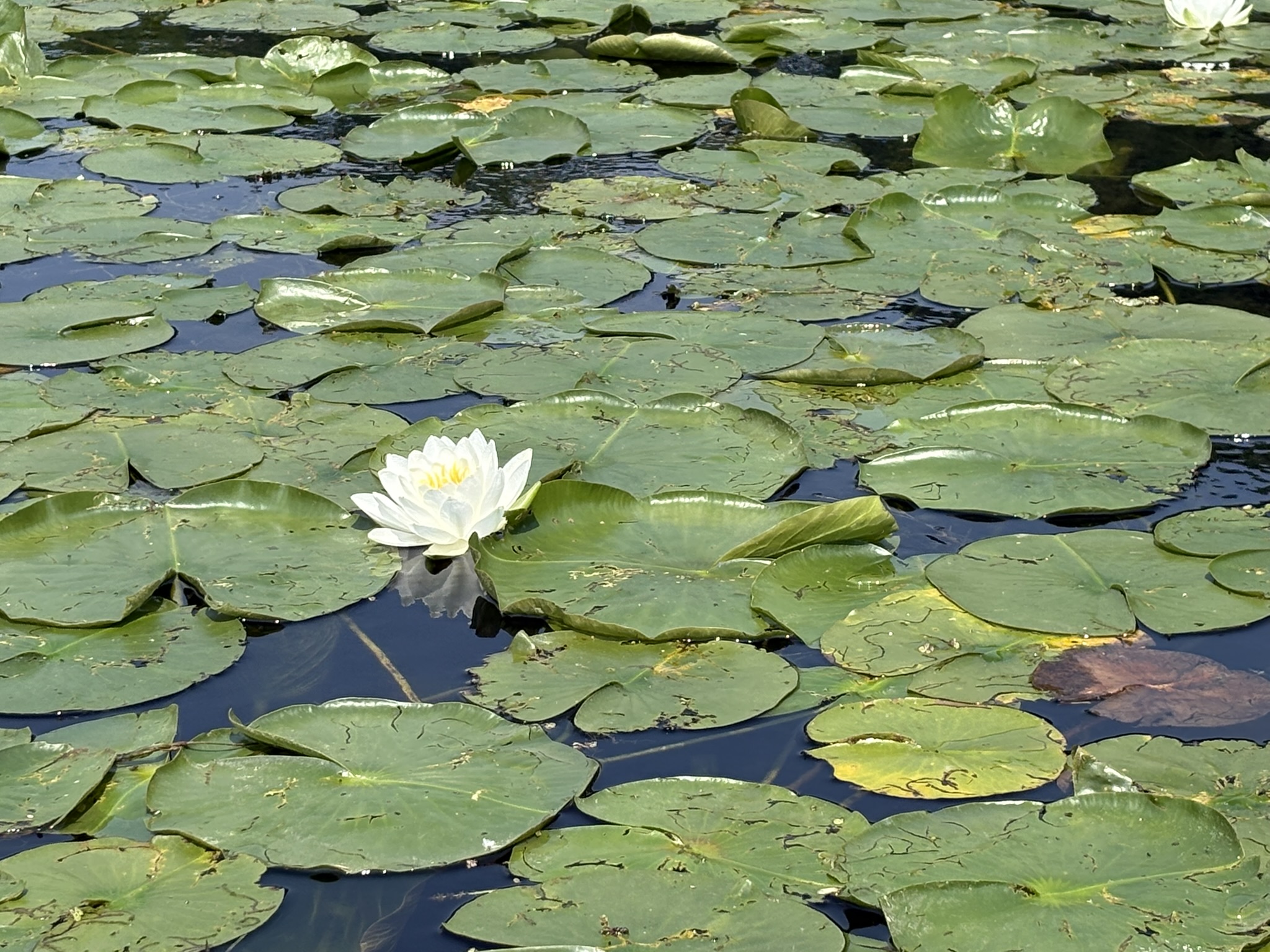
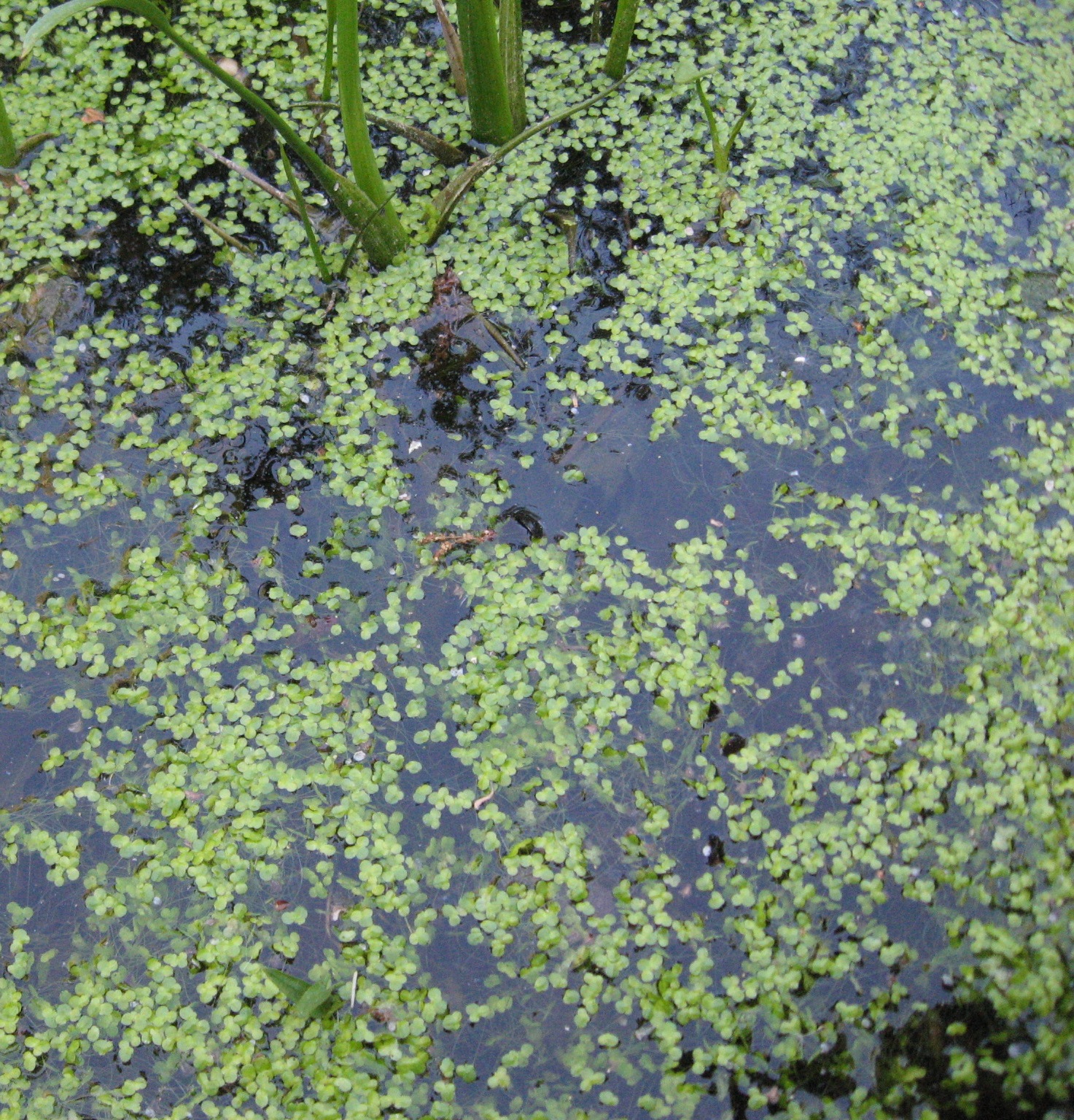
Based on aquatic vegetation survey data collected since 2021, the watershed appears to be home to unique and rare aquatic plant communities in at least seven lakes and small ponds. These plant communities include two populations of a state-endangered aquatic plant, several Washington County records (first observations), and species not observed in the county since the early 20th century. Many of the observations are the farthest south occurrences of the species in the state. These species all share an affinity for soft-water (low-pH) waters, although the underlying factors driving their apparent concentration in the watershed are not yet understood. Soft-water lakes are generally isolated from groundwater, providing a contrast to the many groundwater-dependent resources of the watershed and highlighting its distinctive landscape setting. Protecting these unique native plant communities is important to conserve their immense biodiversity value to the watershed, region, and state. Photos of a few notable species are included below.

Aquatic Invasive Species
One of the threats facing local waterbodies is aquatic invasive species (AIS). Unfortunately, AIS are found in some of the watershed’s lakes and wetlands and in the St. Croix River. The two primary AIS that BCWD encounters are curly-leaf pondweed and Eurasian watermilfoil. You can help stop the spread of AIS if you clean, drain, and dry your boats and docks.
Curly-leaf Pondweed
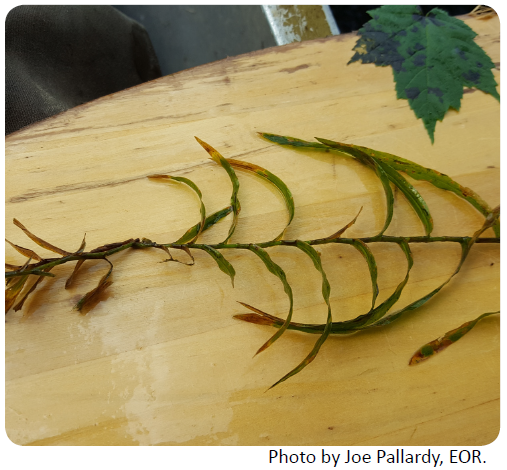
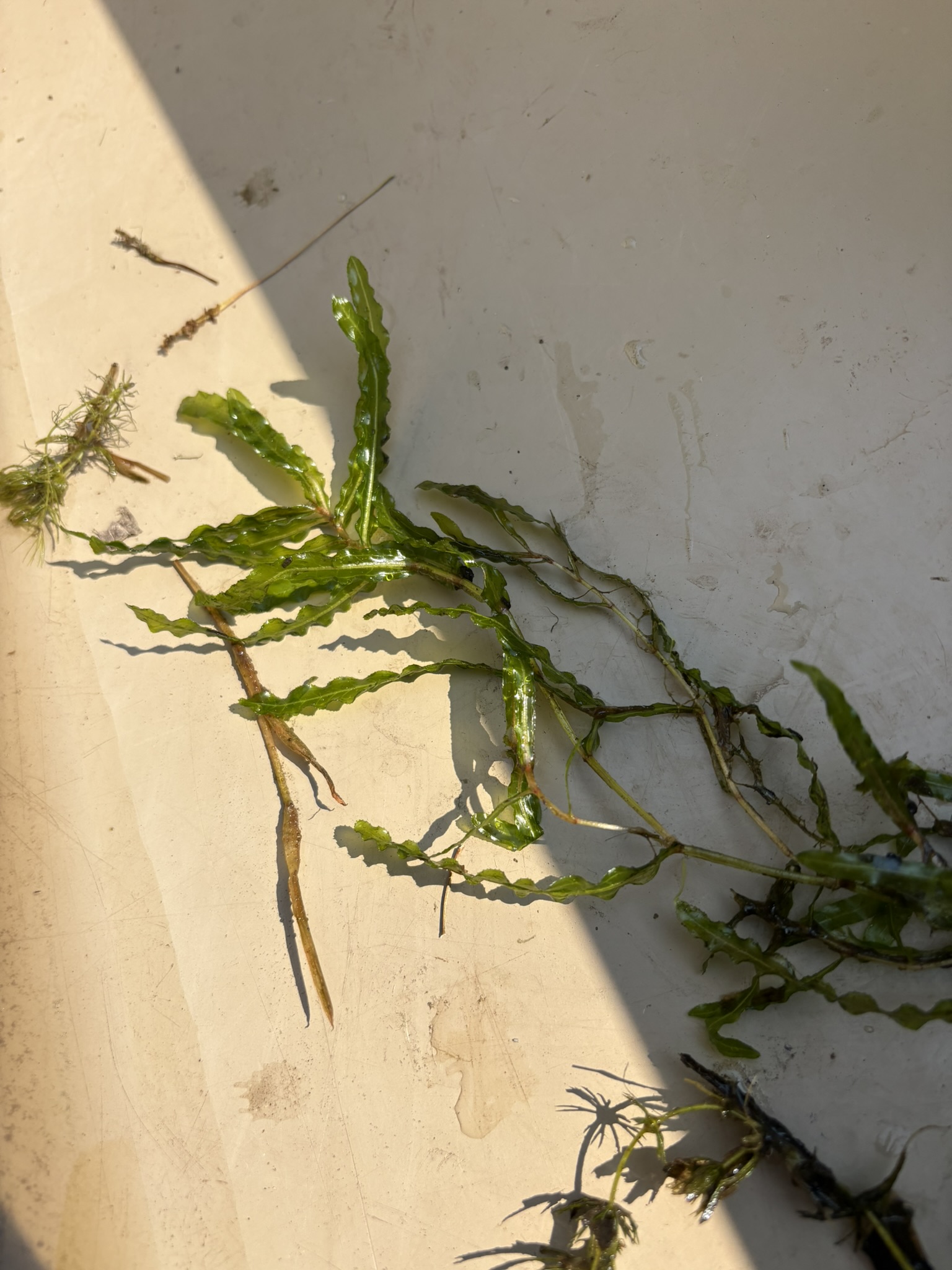
Curly-leaf pondweed (CLP) is an invasive aquatic plant with olive green or brown leaves with wavy edges. It grows completely underwater in shallow waters up to 15 feet deep. The unique lifecycle of curly-leaf pondweed includes winter growth beneath the ice, with plant maturation and die-off by late June/early July. In some lakes, the mid-summer die-off can increase nutrient availability for algal blooms and reduce water quality. Curly-leaf pondweed is present in Benz, Goggins, Pat, Plaisted, Long, South School Section, and Wood Pile Lakes.
CLP Treatment
Past experience in Minnesota and elsewhere has shown that eradication or elimination of curly-leaf pondweed from lakes is not a realistic goal. Treating dense curly-leaf pondweed in late spring may limit spread of curly-leaf pondweed and summer-die off events while minimizing impacts to native vegetation. BCWD has treated South School Section Lake to reduce presence of curly-leaf pondweed to improve water quality, and has taken rapid-response steps to diminish small curly-leaf pondweed infestations in Goggins Lake.
- Flumioxazin Fact Sheet [PDF] - This describes the chemical herbicide used to treat curly-leaf pondweed.
Eurasian Watermilfoil
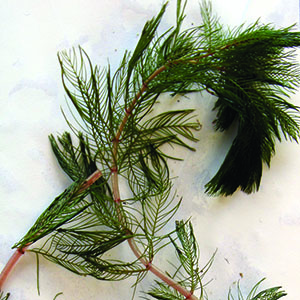
Eurasian watermilfoil (EWM)
It may grow intermixed with native vegetation with minimal detrimental impacts or form dense mats at the water surface that negatively impact native habitat and impede recreational access. Eurasian watermilfoil is not known to negatively affect water quality, although it is tolerant of poor clarity and thrives in moderately eutrophic lakes. Eurasian watermilfoil (EWM) is present in Goggins, Long, Masterman, and South School Section lakes and Sinnets Pond.
Aquatic Vegetation Surveys
BCWD has partnered with Emmons & Olivier Resources to complete point-intercept surveys on some of the watershed's lakes to assess vegetation quality in terms of unique and invasive species. Four lakes were surveyed in 2025, with vegetation reports available:
- 2025 Aquatic Vegetation Survey Summary - Long Lake [PDF]
- 2025 Aquatic Vegetation Survey Summary - Benz Lake [PDF]
- 2025 Aquatic Vegetation Survey Summary - South School Section and Goggins Lakes [PDF]
- 2022 Aquatic Vegetation Survey Summary - South School Section and Goggins Lakes [PDF]
- 2022 Aquatic Vegetation Survey Summary - Benz Lake [PDF]
- 2019 Aquatic Vegetation Survey Summary - Bass Lake East and West [PDF]

Aquatic Plant Management Policy
BCWD adopted an Aquatic Plant Management Policy at the December 10, 2025 board meeting. This policy outlines when the watershed district will get involved to manage aquatic invasive species. In general, BCWD takes a holistic approach to aquatic plant management that aims to improve water quality and environmental conditions favoring native vegetation that can compete with invasive aquatic plants. Review the full Aquatic Plant Management Policy.